Category: reviews

Convention Report – IlluXCon VI

I’m finally recovered from the successive conventions of DragonCon and IlluXCon and boy can I just say what an amazing experience IlluXCon was!  I’ve come back feeling so very inspired and motivated.  There’s a lot I want to say about it, so hang on to your butts for a long post!

Why Attend?

First thing to know about my experience is that I battled with myself in regards to whether IlluXCon was was worth the money we paid to attend.  We saved roughly $1300 to cover hotel, room, food, badge, and board, which can be really painful for those of us on shoestring budgets.  All in all, I will say yes, this was very worth the money, but not because I made money at the show.  In fact, I sold one $20 print the entire Showcase, but that is not where this show’s worth lies.

Instead, I had so many passionate and livening conversations with so many artists, from world-famous artists to up and coming artists like myself.  I learned so much from simply having great conversations with people and receiving good advice which is worth its weight in gold from pros who are further along in their careers.  To say nothing of the barrage of helpful info packed panels on every aspect of art!

The passion you absorb just from being around so many other artists is also a priceless experience.  I have returned hyped and revived after being around such a great crowd of kindred spirits!  It is just the medicine the doctor ordered for the feelings of burnout and exhaustion that have plagued me.

Best Moments

– Sitting down for lunch only to realize John Jude Palencar was right across from me.  He pointed to me and went “Hey that’s my book in your hand!”

– Talking with so many great artists who gave me specific advice about my work.  The list of folks I got to chat up includes Noah Bradley, Donato Giancola, Dan Dos Santos, Winona Nelson, E.M Gist, and Michael C. Hayes.  Mike was especially detailed in that he made sure to let me know what I’m doing right, which is sometimes easy to ignore!  That was a great lesson in and of itself.

–  Nearly EVERY single artist in attendance, including world-famous ones and AD’s, all jammed into the hotel’s lobby being yelled at to stop drinking by midnight lest the bartender lose his license.

–  My first ever in-person interview with an Art Director, particularly Jon Schindehette.  He gave me encouraging and prudent feedback as well as answered some pointed questions, specifically the following:

The Question:  How often should an artist send an AD new work?
The Answer: As often as they have something that pushes their work to the next level.

– Meeting familiar faces I’ve only known through the net! Like Cris aka. Quickreaver.

– Realizing my Showcase table was beside one of the most talented book cover artists for Mercedes Lackey series, Jody Lee!

– Having a passionate conversation about comic books, creativity, and unique creators, such as David Mack, Neil Gaiman, and Drew Hayes with Bill Baker.  It’s not often that a person I meet knows all three of these creators who are a triad of inspiration for me.

The Showcase

Speaking of the Showcase, I learned a lot from selling there which I will carry over into next year, should I choose to sell there again.  The Showcase happened on the weekend (Friday, Saturday, and Sunday), where art collectors were invited to attend the show and meet artists face to face.  I noticed as soon as I told people my work was digital that they almost immediately lost interest.  It seems there still is a general lack of respect for digital as being an investment as a collectible piece.  My digital Art Nouveau piece, Lady of December, still caught a lot of interest, but no buyers.

This has led me to the decision that if I am to show my work there or in galleries that I will need to bring some traditional pieces along as well.  I don’t mind doing this, however, because it’s just easier for me to do intensive line work in my Nouveau inspired style by hand anyways.  So keep an eye out for more ink and watercolor Nouveau pieces from me!  I’m looking forward to scratching that Traditional media itch that’s been nagging me after all these months of doing digital work.

Something else happened that I did not expect at the Showcase that is worth mentioning is that I did not expect to be handed portfolios by other up and coming artists. I spent 80% of my time chatting up younger artists about their work.  I’ve always felt that I’m the ‘eternally breaking in to the industry’ person.  Having someone trust me enough to request feedback on their work was so unexpected!  I got to encourage and inspire them in person and that just filled me with joy!  Inspiring you guys inspires me, and it always has, point of fact.  Part of the reason I keep this journal!  (I know I occasionally do crit here, but it’s so different doing it in real life.)

Personal Revelations

The Number One thing I learned there is that the art industry is full of people who are passionate about what they do.  World famous and novice alike are made equal by this passion.  The first day I arrived and went through the Main Showcase, I literally crawled out of the room dragging my jaw along with me feeling feeble and unworthy as an artist.  However, as the week progressed and I got to talk to more and more with other artists who offered encouragement and critique, I realized something.

I AM ready for this career path.  My work IS good enough.  I only need a bit of love and polish before I’m ready to start pitching myself as a hireable artist.  I am one step away from my goals.  That one step has always felt like a canyon I could never cross.  Every artist I spoke to in review said practically the same thing, nearly word for word each time (“Work on lighting, polish anatomy a bit, and you’re there!”).

Sometimes we’re so hard on ourselves that we curl up in a ball and don’t take chances.  I haven’t sent my work to AD’s in over a year because I simply wasn’t up to par. My portfolio was too full of life drawing and student work or pieces that I just wasn’t excited about.  Sometime in this past year I have transformed, but I was too caught up in my own feelings of slowness, anxiety, and self-loathing to really notice it and PUSH my work where it needed to be pushed so that I could improve.

Having other artists I respect reinforce a properly centered view of my art has been so very cathartic.  Even better, I am now informed with the knowledge of which companies are hiring, how much they pay, and who I should talk to in order to be hired.  This is knowledge that you can get via the internet, but which comes so much quicker having a good conversation with another artist.  As one artist put it to me, this is the ‘family reunion’ for illustrators where they all get to catch up and see how everyone is doing in a business and non-business sense.

As Lauren Panepinto said in her recent Muddy Colors post on physical vs virtual networking, “One hour of physical networking is worth 100 hours of virtual networking.”  That is incredible advice and one of the best lessons I’ve taken away from attending IlluXCon.

To be sure, I’m going to do everything I can to be able to attend next year and maybe to add Spectrum to my list.  Here’s hoping!

PS.
I have an album of public IlluXCon images on FB if you want to get a glimpse of the con. Check it out here!
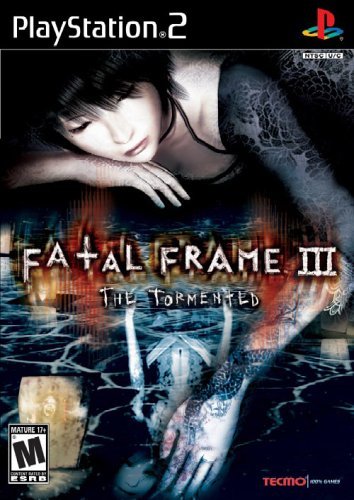
Games as Art: Fatal Frame III

A long time ago in entries past, I rambled about the inspiring designs of games like Folklore and the beautiful grotesqueries of Fatal Frame. I wanted to come back to those discussions in what I hope to be an ongoing series on this journal (yes another one) featuring games I feel move beyond mere entertainment into the realm of being a work of art.

I love games, the art that goes into them, the music, and the increasing quality of storytelling we’re seeing as the industry progresses for example Mu Origin Europe.  With my current career choices leading me down a possibly game-related path, it seemed only natural to start exploring this passion of mine and connecting the dots of inspiration, artistry, and industry. I enjoy games and casinos, by reading these casino FAQs, you can learn more about me and how I developed a passion for online gambling games.


So let me introduce you to Fatal Frame III: The Tormented, a little known horror game that came out in 2005 exclusively to the PS2.  The story revolves around a young photographer named Rei Kurosawa. Barely a year before the start of the story, Rei lost her boyfriend, Yuu, in a car accident, which she blames herself for.  Rei begins to unravel mentally when she experiences a hallucination of her boyfriend beckoning to her during a photo shoot at an abandoned house.
She begins to dream of a sprawling mansion,Yuu beckoning her deeper into its depths.  Ghostly priests and priestesses bow at her presence and she soon finds herself staring up into their faces as four young priestesses line up silver stakes with her hands and feet, chanting a lullaby while they nail her into the ground.
 
A scene from Rei’s initial dream. Surrounded by four singing
priestesses.
 
The Manor of Sleep.
The game untangles the mystery of this ‘Manor of Sleep’ and the urban legend that those who visit it will either be reunited with their departed loved ones, or disappear from the real world with nothing left of them but ashes after 7 days.  One need not have played the past games to enjoy this one, though those who played the previous games will recognize familiar faces and recurring locales. At android4fun.net you will find all the latest android games and app, all free to download.
 
The game features three playable characters who all have varying abilities which allow them access to different parts of the Manor of Sleep with the main combat mechanic involving the use of an old fashioned camera to exorcise violent spirits who attack you. If you need more thrilling games like this that would surely put a jolt in your body, you can experience them on sites such as roulette online.
 
This is where the game really starts to play tricks on the mind.  Unlike many other horror games where you have to run or are able to combat your monstrous enemies with brute force, Fatal Frame (true of the entire series) forces you to stare at them as long as possible so you can get the best ‘shot’ of them with your camera, and therefore the most points.  We must face our fears and look them dead in the eye.
 
Facing our fears up close and personal.
Rei and Miku’s huge apartment must
cost them a fortune in rent in Japan!
If that weren’t nerve-wracking enough, the game’s story unfolds in day and night chapters, the day sections taking place in Rei and her assistant, Miku’s, apartment, while the night chapters start with Rei falling asleep and dreaming of the same ghostly mansion each time.  She starts in the same location almost every night, giving us a feel of deja vu each time she awakens to the same terrible situation.  Each night she must venture deeper and deeper into the Manor’s depths and uncover its terrible secrets, cementing the sense of impending doom in the Player every time she awakens.
 
Sure enough, as the game unfolds, the horror of the dream world begins to invade the safe realm of the apartment, pushing the tension of the story and the desperation of the characters to a breaking point by the end.  
 
Eventually Miku becomes embroiled in the mansion as well and we see her view of the Manor of Sleep where she, too, is searching for a loved one, and a ghost that has plagued her own family.  Those who played the first game will feel that tightening sense of dread when they see the hints of the Rope Ritual from the first game in the familiar dreamscapes that invade the Manor’s geography and cast us deeper into the unfamiliar.
 
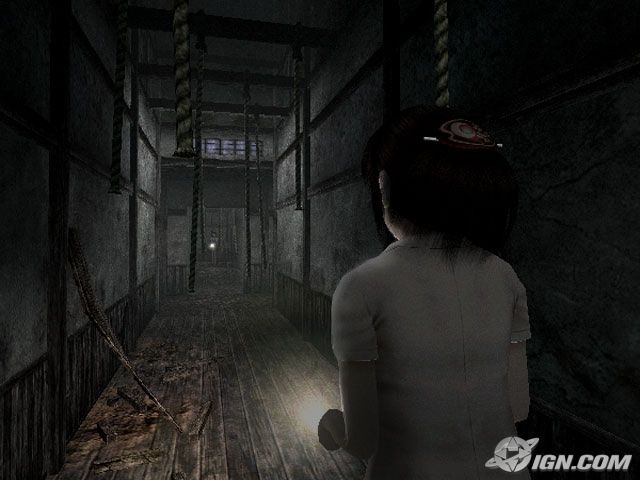
Those of us who played the first game will know to fear this hallway.


Ritual sacrifice plays a large roll in making Fatal Frame as immersive and terrifying as it is.  Each game forces us to unravel the mystery at the heart of each central ritual and what has caused so many tormented spirits to remain on earth. These mysteries usually involve the troubled lives of the main characters, and therefore the Player, who empathizes with the trials of the characters as we descend deeper and deeper into madness with them.  This tie to Japanese Shinto ritual also provides one of the strongest visual motifs for the series, which is permeated with eerily beautiful images of corrupted priestesses and picturesque temples destroyed by past cataclysms.  We, the Player, peel back layers of mythos through documents, love letters, old photographs, decrepit film reels, and snippets of flashbacks presented via cg scenes overlaid with dated film texture, all utilizing a subtle design sensibility that submerges us in a world of old, forgotten things now coming to light.
 
Fatal Frame III takes the Player beyond a mere product digested for entertainment and into another realm of emotion, utilizing all the tricks of charged atmosphere, clever audio-visual queues, involved storytelling, and subdued design to create a wholly unique experience in gaming. A pity such a game will probably never see widespread acclaim, being as niche as it is, but it’s my hope this entry will have at least shed some new light on an old gem some of you might appreciate!
 
For now, I leave you with more shots to haunt you into the Halloween weekend:
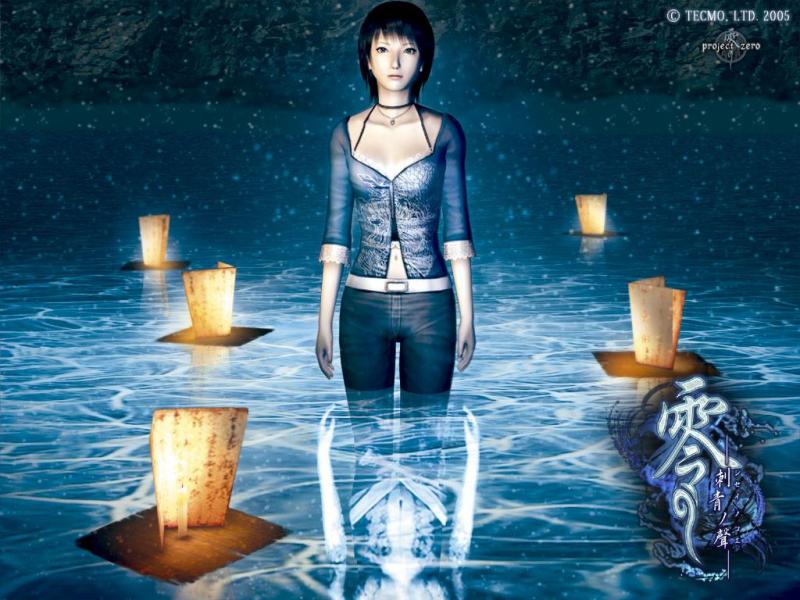
Rei stands amid lanterns sent out for the dead.
A great example of the creepy beauty in this horror game.


Forgotten Shinto rituals and shrines give this game an eerie atmosphere
saturated by folkore.
 
Just one of the many creepy ghosts with such fascinating
details that make you want to both run away and look harder.
While outright gore is rare, the game relies more on hints
of gruesome ceremonies to drive the tension.
Just a note – that’s not a massage table.

Finally, we have a video of the intro section of the game I described above:


What is Artfire? An Artist’s Point-of-View

ArtFire - Buy Handmade - Sell HandmadeA few months ago, I’d never even heard of Artfire, but had already been a vested user of Etsy since 2008. Now after plenty of fiddling over at Artfire, I feel confident enough to talk about its usefulness for artists.

What is Artfire?

Like Etsy, Artfire is a community marketplace for handmade and vintage items who offers community forums, item collections, and groups to join. The main difference in philosophy being that Artfire allows you to plug external websites much more in your own listings and pages, unlike Etsy, which discourages such practices. The other difference is of course the fact Etsy is far more entrenched with greater press coverage.

Artfire is catching up, though! If their constant marketing campaigns, helpful articles, and numerous twitter accounts is any indication of how much they’re putting into making their site known. They also offer their members discounts at CHA (Craft and Hobby Association) and VIP discount cards at Joanns Fabrics (10% off regular and sale price items)!

Selling on Artfire

Much like Etsy, artists can post listings of items, sort them into browsing categories, and find buyers for their handicrafts. Where Artfire differs in this respect is that listings have no expiration date. A user must ‘check in’ at Artfire to keep their listings higher up in the search results, which weeds out the people who post listings and leave them there without maintaining them.

– Prints and Fabricated Art Items
Another quirk of AF I’ve found is that if you’re selling art prints, cards, or any other pre-printed open edition item utilizing your art, they have to be a run of 500 or less while Etsy hasn’t set a number, to my knowledge. This isn’t much of a problem for me, however, as I’d be happy to even reach that amount of sales per item!  With the number of open edition prints listed on AF, however, I suspect this policy isn’t heavily enforced.

– Seller Invoice System
AF boasts a pretty full featured invoicing system for sellers, including itemized invoices where you can check off each stage of payment, packing, and shipping as it happens with a field to enter an item’s tracking number. This number is automatically emailed to your customer when you enter it, making these invoices pretty handy for taking care of your customer all in one place!

– Feedback and Non-Member Buyers
One big difference between Etsy and AF’s way of handling transactions is the fact that AF also encourages you to do what you need to do to make a sell, meaning customers don’t need to have an AF account to buy! They can simply use AF’s shopping cart feature. This means you don’t get feedback or karma from the transaction, but that doesn’t seem terribly important on this site, despite the fact users can still leave detailed feedback on your shipping, quickness, item quality, etc. Because there’s no final value fee taken out when a sale is made, it’s easy enough to cancel the order and relist with no loss of money, should you have trouble with a non-paying buyer.

– Promotional Coupons

Another extremely useful feature of AF is the ability to create promotional codes. While you can do this on Etsy, Etsy restricts your coupon codes to only a certain percentage off or free shipping. AF’s coupon code functionality is more robust with the ability to tailor your coupons to a percentage off and free shipping, but also allows you to apply coupons to seller-defined studio groups and price ranges, the order total, or even specific items. Coupon codes are also another premium member feature.

– Other Useful Features
If you’re a user of Etsy, AF makes it easy to download your CSV file from Etsy and import all of your items with only a few tweaks required! This is a premium member feature, however.  You can also batch edit your listings, move them en masse to new categories, and take advantage of a detailed vacation mode that allows you to leave your items up, but auto-responds with your ‘away’ message. Unlike Etsy, which simply hides your items completely from listings until you disable it.  There’s also a ‘sales mode’ that allows you to discount everything in your shop at once.  Sales mode and vacation mode are both non-premium features!

Crunching Numbers

Another major difference between Artfire and Etsy is the fee structure. Artfire charges a flat monthly fee (I pay $5.95 thanks to a beta deal I got, but standard pro rate is $9.95 as of this entry) while Etsy charges 20 cents per listing for 3 months and takes 3.5% of your final sale’s value. If you’re hosting a large amount of items, AF can be really useful for keeping costs down each month.

As for sales numbers, I’ve noticed a greater number of handmade craft items and cards selling here rather than my prints and original art, but it’s still great to get the exposure on my artwork along with everything else. I have a feeling that as I grow my shop and become more entrenched in this community, these sales proportions will change!

Customization

One thing I absolutely love about AF is the ability to customize the color theme and style of our shop pages! I’ve included a screenshot of mine below. Most of the customization is, again, a premium member feature.

See my Artfire shop in action!

See my Etsy shop in action!
Final Thoughts

Rather than choose one community over the other, it’s easy enough for me to maintain both my Etsy AND Artfire shops with AF’s import feature!  The amount of sales I’ve made via both communities have made them well worth investing my time in and will only continue to increase their usefulness as another means of income the longer I use them.

Interested in joining up as a premium member at Artfire? Use my referral link! We’ll both get a free month plus be entered into a drawing for a free DSLR camera for both of us!♥

I’m also a member of the Artfire Fantasy Guild, so drop on in and say hello!  I’d love to see some familiar faces there.:)

REVIEW: Tangled

This Thanksgiving, I got to see Tangled, Disney’s latest computer animated feature and a movie I had been keeping an eye on since early concept art appeared a couple years back.  I’ve always had a soft spot for the tale of the girl with the long hair, having been a girl with hair past her waist up until very recent years!  I’ve done my own rendition in comic strip format which is a far cry from this vibrantly colored movie!  I was a-flutter with excitement (and a little trepidation) at the prospect of Disney adapting this tale for the big screen.

Would Disney keep true to the compelling images of lost innocence that the original tale had, or would they sanitize it the way they’re famous for?  With happy endings and villainous deaths in off camera silhouettes?  The short answer is YES (to the sanitizing), but that is not to say that I didn’t enjoy it either! Read on for my rambly thoughts on the matter…

The Synopsis:  In a medievalesque kingdom far far away, a king and queen rejoice in the coming birth of their child, but their joy is ruined when the queen falls ill.  To cure her, they employ a potion made from the magic of a flower imbued with the healing properties of the sun.  The queen is restored to health and gives birth to a baby girl whose hair has the same power as the flower that saved her mother.  However, Mother Gothel, who had been greedily hoarding the flower’s power, finds out the child has the same abilities and spirits her away to a tower, where she uses the child’s magic hair to keep herself young.

Of course, when Rapunzel comes of age, she’s no longer happy staying in the tower and wishes to leave so she can find out what the strange lights are she views from her window once a year.  The opportunity to escape arrives in the form of Flynn Ryder, a thief who takes refuge in her tower after a heist.

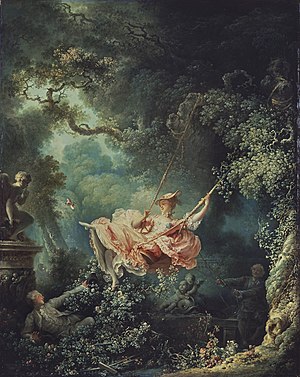
The Good:  Early concept art leaks talked about how this movie was meant to emulate the tone and atmosphere of The Swing, a painting by French rococo artist, Jean-Honoré Fragonard.  This movie definitely delivers in that respect! From luscious green valleys, waterfalls, and countless flowers growing in every nook, Tangled never ceases to amaze with its charming stylization, true to its original intent of emulating the palette of lush oils.  The character animation and settings are a testament to the continued progress of computer animation with the many various ways Rapunzel utilizes her hair for daily tasks.  Gone are the days when hair looked like a texture map plastered around a character’s head with cow spit.

Looks aside, Flynn Ryder proved, as I knew he would, to be the other most enjoyable aspect of this movie for me. Voiced by Zachary Levi of Chuck fame, I felt Disney’s come yet another progressive step away from the flat and perfectly noble Princes of films past.  Then again, I have known biases towards the thiefy rogue types.  His delightful sarcasm versus Rapunzel’s naive, but sassy wit made for interesting quipping throughout.

I was also pleased to see Mother Gothel depicted true to form as a controlling, overbearing mother, and not the old hag of most depictions (for the most part). She sported a rather sexy red velvet dress and dark locks (not unlike my own depiction of Gothel, to my amusement).

But that is where things go south, for this fan.

The Bad:  I commend Disney for really trying to do something different with Prince type characters, but like the Princess and the Frog, I still felt like things moved too fast.  Suddenly Flynn and Rapunzel are singing in a boat together about how they have new meaning in life? After only knowing each other for a few days?  For a thief who had been extremely vain and smug until that point in the movie, this was a hard pill to swallow.  Just like Prince Naveen who goes from womanizing layabout to dedicated husband, it felt rushed and contrived.  The second half of the movie offers no surprises, twists, or even dialog that I hadn’t heard a thousand times before in a thousand other movies.

But no, Angela, this is Disney! They’re supposed to fall in love! Sorry, but I just cannot accept ‘this is Disney’ as an excuse for pushing characters together and fastening them with the cement glue of ‘contrived plot points’ for a happy ending.  Beauty & The Beast, which remains ever my favorite Disney movie, gradually drew The Beast and Belle together only after experiencing the worst of each other’s personalities.  Even Aladdin and Jasmine had their bumps because of her reputation as a cheeky shrew and Aladdin’s deception about his Princehood.  Aladdin, The Little Mermaid, Beauty & The Beast – these Disney movies were memorable because they gave us more tension, more development, and less candy-coating.  Characters lied, deceived, and did things they shouldn’t because they were afraid, unsure, or rebellious.  There’s a touch of that in Tangled, but I don’t think it was pushed enough. (Not to mention the musical scores for these movies are still leagues beyond Tangled, which was mediocre at best.)

My other beef – a den full of bad guys who suddenly all ‘have a dream’ and become their bestest of friends.  This happened at the end of Shrek 3. Suddenly every villain EVAR was secretly a nice guy with a secretly good and beneficial hobby who would end up being your ally for life because you shared a dream with them!  I really don’t like this pattern in kids movies. Not only does it candy coat moral expectations in life, but it really just tosses older fans like me out of the story and into sugary kiddie ridiculousness.

Should we have to dumb everything down just for kids to learn a lesson about Goodness? Wouldn’t they learn a lesson more effectively if the heroes had some real and dangerous hardships to overcome?  I look to other movies (like Guardians of G’Hoole and Coraline) for an example of how putting our heroes in real danger can help them discover their own strengths in a way that drowning the story in the viscous honey of Pure Goodness can’t.

I suppose I’m being too harsh on this movie, considering it was made to please a younger audience (despite a PG rating, buh?). It WAS enjoyable and the sort of film you can take kids of all ages too.  I just hope that in the future Disney returns to the types of daring characters that made their greatest movies great in the first place.

I, for one, am highly looking forward to Brave (formerly The Bear and the Bow) which promises a more meaningful tale about a defiant Scottish princess who unwittingly releases woe on her parents’ kingdom and must suffer the consequences of her actions.  Now that sounds like a story (and a main character) I can sink my teeth into!

Review: The Last Airbender

Every now and again in this journal I like to review movies or video games that have really made an impression on me as an artist and a writer. Let it be known before I even begin talking about The Last Airbender that I am a long-standing fan of the original animated series that inspired it (Avatar: The Last Airbender). As a child of the early 80’s, I grew up with the golden age of animation still lingering and the slick adventurous and bold animation of the 1990’s – before children’s shows became all about sponges wearing pants and random inanity.

For me, Avatar: The Last Airbender was a breath of fresh air. Finally! An animated show that looked beautiful and smooth, with pleasant stylization and a rich tapestry of a fantasy world that really drew me in. Finally, a series that was paying attention! Here we had characters who were flawed and who changed throughout the course of the show. Moral lessons were not always on the surface of a story, especially when our beloved characters often did things that they knew were wrong, but that suited them as characters. DiMartino and Konietzko had created a story worth telling.

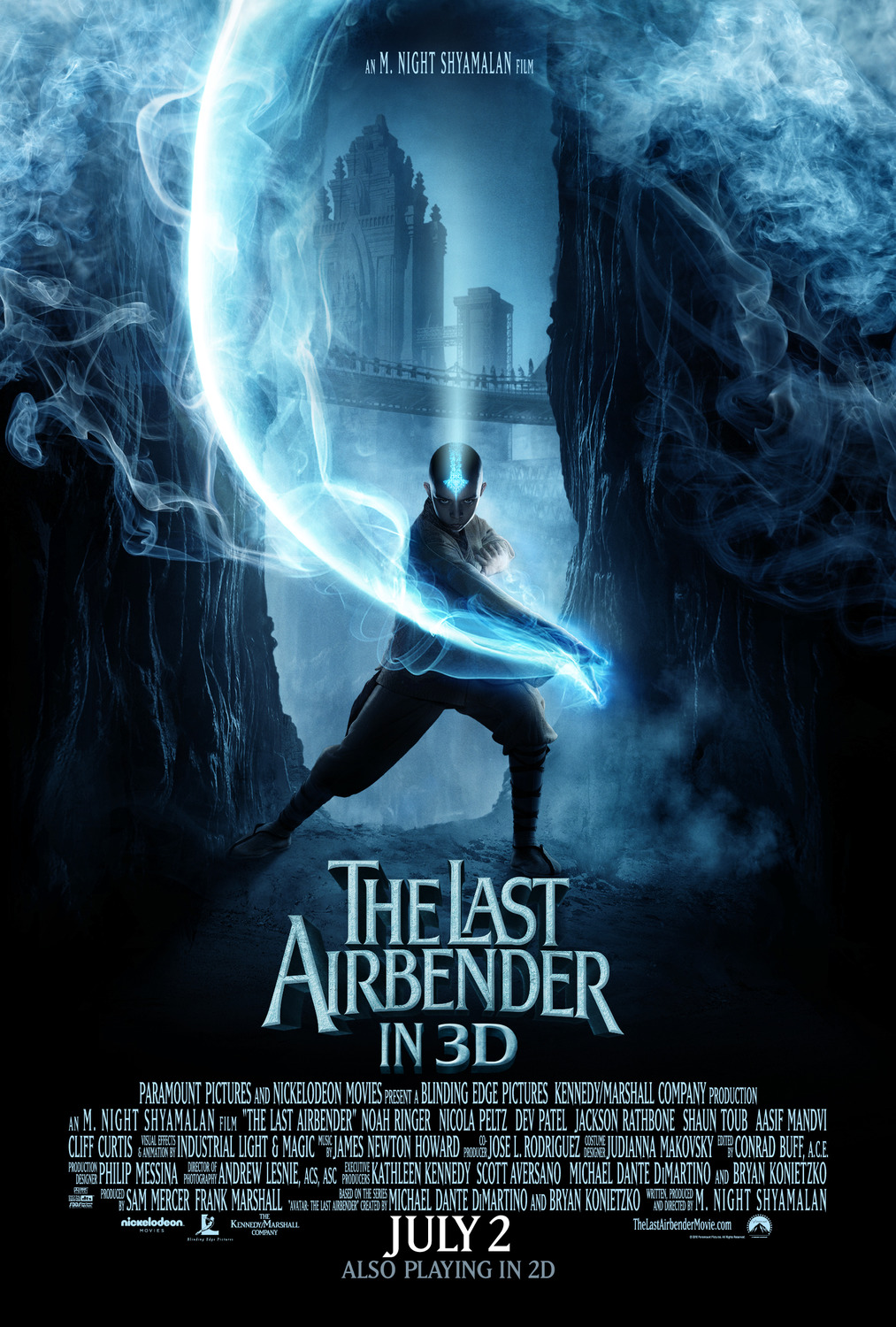
Unfortunately, little, if any, of this wonderful story translated to the movie adaptation of the series called The Last Airbender (darn blue cat people taking the rights to Avatar!). It’s true the heart of the story is still the same. We have a young monk named Aang who is burdened by the responsibility of being the Avatar, a driving elemental force in a chaotic world who is meant to bring peace. Instead of facing his responsibility, he runs away and by a twist of fate, pulls a Rip Van Winkle and ends up awakening 100 years later, where friendship and guidance from folks he meets on his journey puts him back on track to being a hero.

The movie fails in the respect that the entire story felt rushed. Characters blurt out plot points with plenty of emotion, but the driving force of their motivation seems left to the cutting room floor (considering this movie is about an hour and 40 minutes and still manages to create little emotional attachment to the characters and condenses an entire first season of plotline). Decisions are reached too quickly, characters rush headlong into blind belief and friendship in one another, despite having just met. Fight scenes feel like a waste of time when half of the driving philosophy that made the Asian-inspired world of Avatar so enthralling was the dueling philosophies of the nations and their particular styles of Bending, or elemental manipulation. We’re gifted one line of philosophy about how you must ‘give in to Water’, but really, how deep is that in the context of the movie?

Not so deep, just like the rest of the cast and its stilted performance handicapped by a shortchanged plot. First Rule of Movie Adaptation, do NOT try to directly adapt a plotline without repolishing the original story to fit your new, often condensed timeline. Most of this movie felt as if it were merely trying to reach important plotlines that happened in season 1 of the animated show. Line by line, as if it was a checklist for those who watched the series.

When is Hollywood going to learn that you can’t just rush through a plot, toss in a few action scenes, and then rake in the cash? Just like the last blockbuster disappointment, The Prince of Persia, characters had no lows where they could really bond with one another or express anything further than stereotypical surface emotion. (Though I will say, I enjoyed Prince of Persia far more than Airbender). Without safe ports in the plot for characters to contemplate and develop as characters to contrast against the many scenes of frenzied action, there is no spark of interest or resonance with your audience. And for the love of all that’s sacred, please don’t reveal the emotional life changing moments of an important character in a 2 second flashback with a couple of explanatory sentences!

I’m not going to say the entire movie was a complete failure. The effects were fairly well done. Waterbending looked especially gorgeous in the second half of the movie where many battles take place in a frozen tundra riddled with battleships, soldiers, and tribesmen. The wardrobe felt authentic and reinvented in a suiting way for a rustic Asian-inspired look. Even still, good FX and atmosphere were not enough to save this from being a mediocre production and a major disappointment (this coming from a fan of Shyamalan!)

Perhaps Shyamalan was rushed? Perhaps he was pressured to cut the material that would have made this movie feel less splintered into plot points? Whatever the reason, this fan was not pleased. I hope for the sake of the fans, they get their act together for the next two movies, if they even gross enough to finish production on them after this major disappointment.

Perhaps I’m also being harsh, but for a director who has professed so much love and respect for the source material, I expected much more from this production. Go see it if you’re bored, but please, just go rent the animated series if you want the full story.

Review: The Last Airbender

Every now and again in this journal I like to review movies or video games that have really made an impression on me as an artist and a writer. Let it be known before I even begin talking about The Last Airbender that I am a long-standing fan of the original animated series that inspired it (Avatar: The Last Airbender). As a child of the early 80’s, I grew up with the golden age of animation still lingering and the slick adventurous and bold animation of the 1990’s – before children’s shows became all about sponges wearing pants and random inanity.

For me, Avatar: The Last Airbender was a breath of fresh air. Finally! An animated show that looked beautiful and smooth, with pleasant stylization and a rich tapestry of a fantasy world that really drew me in. Finally, a series that was paying attention! Here we had characters who were flawed and who changed throughout the course of the show. Moral lessons were not always on the surface of a story, especially when our beloved characters often did things that they knew were wrong, but that suited them as characters. DiMartino and Konietzko had created a story worth telling.

Unfortunately, little, if any, of this wonderful story translated to the movie adaptation of the series called The Last Airbender (darn blue cat people taking the rights to Avatar!). It’s true the heart of the story is still the same. We have a young monk named Aang who is burdened by the responsibility of being the Avatar, a driving elemental force in a chaotic world who is meant to bring peace. Instead of facing his responsibility, he runs away and by a twist of fate, pulls a Rip Van Winkle and ends up awakening 100 years later, where friendship and guidance from folks he meets on his journey puts him back on track to being a hero.

The movie fails in the respect that the entire story felt rushed. Characters blurt out plot points with plenty of emotion, but the driving force of their motivation seems left to the cutting room floor (considering this movie is about an hour and 40 minutes and still manages to create little emotional attachment to the characters and condenses an entire first season of plotline). Decisions are reached too quickly, characters rush headlong into blind belief and friendship in one another, despite having just met. Fight scenes feel like a waste of time when half of the driving philosophy that made the Asian-inspired world of Avatar so enthralling was the dueling philosophies of the nations and their particular styles of Bending, or elemental manipulation. We’re gifted one line of philosophy about how you must ‘give in to Water’, but really, how deep is that in the context of the movie?

Not so deep, just like the rest of the cast and its stilted performance handicapped by a shortchanged plot. First Rule of Movie Adaptation, do NOT try to directly adapt a plotline without repolishing the original story to fit your new, often condensed timeline. Most of this movie felt as if it were merely trying to reach important plotlines that happened in season 1 of the animated show. Line by line, as if it was a checklist for those who watched the series.

When is Hollywood going to learn that you can’t just rush through a plot, toss in a few action scenes, and then rake in the cash? Just like the last blockbuster disappointment, The Prince of Persia, characters had no lows where they could really bond with one another or express anything further than stereotypical surface emotion. (Though I will say, I enjoyed Prince of Persia far more than Airbender). Without safe ports in the plot for characters to contemplate and develop as characters to contrast against the many scenes of frenzied action, there is no spark of interest or resonance with your audience. And for the love of all that’s sacred, please don’t reveal the emotional life changing moments of an important character in a 2 second flashback with a couple of explanatory sentences!

I’m not going to say the entire movie was a complete failure. The effects were fairly well done. Waterbending looked especially gorgeous in the second half of the movie where many battles take place in a frozen tundra riddled with battleships, soldiers, and tribesmen. The wardrobe felt authentic and reinvented in a suiting way for a rustic Asian-inspired look. Even still, good FX and atmosphere were not enough to save this from being a mediocre production and a major disappointment (this coming from a fan of Shyamalan!)

Perhaps Shyamalan was rushed? Perhaps he was pressured to cut the material that would have made this movie feel less splintered into plot points? Whatever the reason, this fan was not pleased. I hope for the sake of the fans, they get their act together for the next two movies, if they even gross enough to finish production on them after this major disappointment.

Perhaps I’m also being harsh, but for a director who has professed so much love and respect for the source material, I expected much more from this production. Go see it if you’re bored, but please, just go rent the animated series if you want the full story.

Review: The Last Airbender

Every now and again in this journal I like to review movies or video games that have really made an impression on me as an artist and a writer. Let it be known before I even begin talking about The Last Airbender that I am a long-standing fan of the original animated series that inspired it (Avatar: The Last Airbender). As a child of the early 80’s, I grew up with the golden age of animation still lingering and the slick adventurous and bold animation of the 1990’s – before children’s shows became all about sponges wearing pants and random inanity.

For me, Avatar: The Last Airbender was a breath of fresh air. Finally! An animated show that looked beautiful and smooth, with pleasant stylization and a rich tapestry of a fantasy world that really drew me in. Finally, a series that was paying attention! Here we had characters who were flawed and who changed throughout the course of the show. Moral lessons were not always on the surface of a story, especially when our beloved characters often did things that they knew were wrong, but that suited them as characters. DiMartino and Konietzko had created a story worth telling.

Unfortunately, little, if any, of this wonderful story translated to the movie adaptation of the series called The Last Airbender (darn blue cat people taking the rights to Avatar!). It’s true the heart of the story is still the same. We have a young monk named Aang who is burdened by the responsibility of being the Avatar, a driving elemental force in a chaotic world who is meant to bring peace. Instead of facing his responsibility, he runs away and by a twist of fate, pulls a Rip Van Winkle and ends up awakening 100 years later, where friendship and guidance from folks he meets on his journey puts him back on track to being a hero.

The movie fails in the respect that the entire story felt rushed. Characters blurt out plot points with plenty of emotion, but the driving force of their motivation seems left to the cutting room floor (considering this movie is about an hour and 40 minutes and still manages to create little emotional attachment to the characters and condenses an entire first season of plotline). Decisions are reached too quickly, characters rush headlong into blind belief and friendship in one another, despite having just met. Fight scenes feel like a waste of time when half of the driving philosophy that made the Asian-inspired world of Avatar so enthralling was the dueling philosophies of the nations and their particular styles of Bending, or elemental manipulation. We’re gifted one line of philosophy about how you must ‘give in to Water’, but really, how deep is that in the context of the movie?

Not so deep, just like the rest of the cast and its stilted performance handicapped by a shortchanged plot. First Rule of Movie Adaptation, do NOT try to directly adapt a plotline without repolishing the original story to fit your new, often condensed timeline. Most of this movie felt as if it were merely trying to reach important plotlines that happened in season 1 of the animated show. Line by line, as if it was a checklist for those who watched the series.

When is Hollywood going to learn that you can’t just rush through a plot, toss in a few action scenes, and then rake in the cash? Just like the last blockbuster disappointment, The Prince of Persia, characters had no lows where they could really bond with one another or express anything further than stereotypical surface emotion. (Though I will say, I enjoyed Prince of Persia far more than Airbender). Without safe ports in the plot for characters to contemplate and develop as characters to contrast against the many scenes of frenzied action, there is no spark of interest or resonance with your audience. And for the love of all that’s sacred, please don’t reveal the emotional life changing moments of an important character in a 2 second flashback with a couple of explanatory sentences!

I’m not going to say the entire movie was a complete failure. The effects were fairly well done. Waterbending looked especially gorgeous in the second half of the movie where many battles take place in a frozen tundra riddled with battleships, soldiers, and tribesmen. The wardrobe felt authentic and reinvented in a suiting way for a rustic Asian-inspired look. Even still, good FX and atmosphere were not enough to save this from being a mediocre production and a major disappointment (this coming from a fan of Shyamalan!)

Perhaps Shyamalan was rushed? Perhaps he was pressured to cut the material that would have made this movie feel less splintered into plot points? Whatever the reason, this fan was not pleased. I hope for the sake of the fans, they get their act together for the next two movies, if they even gross enough to finish production on them after this major disappointment.

Perhaps I’m also being harsh, but for a director who has professed so much love and respect for the source material, I expected much more from this production. Go see it if you’re bored, but please, just go rent the animated series if you want the full story.

Review: The Last Airbender

Every now and again in this journal I like to review movies or video games that have really made an impression on me as an artist and a writer. Let it be known before I even begin talking about The Last Airbender that I am a long-standing fan of the original animated series that inspired it (Avatar: The Last Airbender). As a child of the early 80’s, I grew up with the golden age of animation still lingering and the slick adventurous and bold animation of the 1990’s – before children’s shows became all about sponges wearing pants and random inanity.

For me, Avatar: The Last Airbender was a breath of fresh air. Finally! An animated show that looked beautiful and smooth, with pleasant stylization and a rich tapestry of a fantasy world that really drew me in. Finally, a series that was paying attention! Here we had characters who were flawed and who changed throughout the course of the show. Moral lessons were not always on the surface of a story, especially when our beloved characters often did things that they knew were wrong, but that suited them as characters. DiMartino and Konietzko had created a story worth telling.

Unfortunately, little, if any, of this wonderful story translated to the movie adaptation of the series called The Last Airbender (darn blue cat people taking the rights to Avatar!). It’s true the heart of the story is still the same. We have a young monk named Aang who is burdened by the responsibility of being the Avatar, a driving elemental force in a chaotic world who is meant to bring peace. Instead of facing his responsibility, he runs away and by a twist of fate, pulls a Rip Van Winkle and ends up awakening 100 years later, where friendship and guidance from folks he meets on his journey puts him back on track to being a hero.

The movie fails in the respect that the entire story felt rushed. Characters blurt out plot points with plenty of emotion, but the driving force of their motivation seems left to the cutting room floor (considering this movie is about an hour and 40 minutes and still manages to create little emotional attachment to the characters and condenses an entire first season of plotline). Decisions are reached too quickly, characters rush headlong into blind belief and friendship in one another, despite having just met. Fight scenes feel like a waste of time when half of the driving philosophy that made the Asian-inspired world of Avatar so enthralling was the dueling philosophies of the nations and their particular styles of Bending, or elemental manipulation. We’re gifted one line of philosophy about how you must ‘give in to Water’, but really, how deep is that in the context of the movie?

Not so deep, just like the rest of the cast and its stilted performance handicapped by a shortchanged plot. First Rule of Movie Adaptation, do NOT try to directly adapt a plotline without repolishing the original story to fit your new, often condensed timeline. Most of this movie felt as if it were merely trying to reach important plotlines that happened in season 1 of the animated show. Line by line, as if it was a checklist for those who watched the series.

When is Hollywood going to learn that you can’t just rush through a plot, toss in a few action scenes, and then rake in the cash? Just like the last blockbuster disappointment, The Prince of Persia, characters had no lows where they could really bond with one another or express anything further than stereotypical surface emotion. (Though I will say, I enjoyed Prince of Persia far more than Airbender). Without safe ports in the plot for characters to contemplate and develop as characters to contrast against the many scenes of frenzied action, there is no spark of interest or resonance with your audience. And for the love of all that’s sacred, please don’t reveal the emotional life changing moments of an important character in a 2 second flashback with a couple of explanatory sentences!

I’m not going to say the entire movie was a complete failure. The effects were fairly well done. Waterbending looked especially gorgeous in the second half of the movie where many battles take place in a frozen tundra riddled with battleships, soldiers, and tribesmen. The wardrobe felt authentic and reinvented in a suiting way for a rustic Asian-inspired look. Even still, good FX and atmosphere were not enough to save this from being a mediocre production and a major disappointment (this coming from a fan of Shyamalan!)

Perhaps Shyamalan was rushed? Perhaps he was pressured to cut the material that would have made this movie feel less splintered into plot points? Whatever the reason, this fan was not pleased. I hope for the sake of the fans, they get their act together for the next two movies, if they even gross enough to finish production on them after this major disappointment.

Perhaps I’m also being harsh, but for a director who has professed so much love and respect for the source material, I expected much more from this production. Go see it if you’re bored, but please, just go rent the animated series if you want the full story.

Review: The Last Airbender

Every now and again in this journal I like to review movies or video games that have really made an impression on me as an artist and a writer. Let it be known before I even begin talking about The Last Airbender that I am a long-standing fan of the original animated series that inspired it (Avatar: The Last Airbender). As a child of the early 80’s, I grew up with the golden age of animation still lingering and the slick adventurous and bold animation of the 1990’s – before children’s shows became all about sponges wearing pants and random inanity.

For me, Avatar: The Last Airbender was a breath of fresh air. Finally! An animated show that looked beautiful and smooth, with pleasant stylization and a rich tapestry of a fantasy world that really drew me in. Finally, a series that was paying attention! Here we had characters who were flawed and who changed throughout the course of the show. Moral lessons were not always on the surface of a story, especially when our beloved characters often did things that they knew were wrong, but that suited them as characters. DiMartino and Konietzko had created a story worth telling.

Unfortunately, little, if any, of this wonderful story translated to the movie adaptation of the series called The Last Airbender (darn blue cat people taking the rights to Avatar!). It’s true the heart of the story is still the same. We have a young monk named Aang who is burdened by the responsibility of being the Avatar, a driving elemental force in a chaotic world who is meant to bring peace. Instead of facing his responsibility, he runs away and by a twist of fate, pulls a Rip Van Winkle and ends up awakening 100 years later, where friendship and guidance from folks he meets on his journey puts him back on track to being a hero.

The movie fails in the respect that the entire story felt rushed. Characters blurt out plot points with plenty of emotion, but the driving force of their motivation seems left to the cutting room floor (considering this movie is about an hour and 40 minutes and still manages to create little emotional attachment to the characters and condenses an entire first season of plotline). Decisions are reached too quickly, characters rush headlong into blind belief and friendship in one another, despite having just met. Fight scenes feel like a waste of time when half of the driving philosophy that made the Asian-inspired world of Avatar so enthralling was the dueling philosophies of the nations and their particular styles of Bending, or elemental manipulation. We’re gifted one line of philosophy about how you must ‘give in to Water’, but really, how deep is that in the context of the movie?

Not so deep, just like the rest of the cast and its stilted performance handicapped by a shortchanged plot. First Rule of Movie Adaptation, do NOT try to directly adapt a plotline without repolishing the original story to fit your new, often condensed timeline. Most of this movie felt as if it were merely trying to reach important plotlines that happened in season 1 of the animated show. Line by line, as if it was a checklist for those who watched the series.

When is Hollywood going to learn that you can’t just rush through a plot, toss in a few action scenes, and then rake in the cash? Just like the last blockbuster disappointment, The Prince of Persia, characters had no lows where they could really bond with one another or express anything further than stereotypical surface emotion. (Though I will say, I enjoyed Prince of Persia far more than Airbender). Without safe ports in the plot for characters to contemplate and develop as characters to contrast against the many scenes of frenzied action, there is no spark of interest or resonance with your audience. And for the love of all that’s sacred, please don’t reveal the emotional life changing moments of an important character in a 2 second flashback with a couple of explanatory sentences!

I’m not going to say the entire movie was a complete failure. The effects were fairly well done. Waterbending looked especially gorgeous in the second half of the movie where many battles take place in a frozen tundra riddled with battleships, soldiers, and tribesmen. The wardrobe felt authentic and reinvented in a suiting way for a rustic Asian-inspired look. Even still, good FX and atmosphere were not enough to save this from being a mediocre production and a major disappointment (this coming from a fan of Shyamalan!)

Perhaps Shyamalan was rushed? Perhaps he was pressured to cut the material that would have made this movie feel less splintered into plot points? Whatever the reason, this fan was not pleased. I hope for the sake of the fans, they get their act together for the next two movies, if they even gross enough to finish production on them after this major disappointment.

Perhaps I’m also being harsh, but for a director who has professed so much love and respect for the source material, I expected much more from this production. Go see it if you’re bored, but please, just go rent the animated series if you want the full story.

Review: The Last Airbender

Every now and again in this journal I like to review movies or video games that have really made an impression on me as an artist and a writer. Let it be known before I even begin talking about The Last Airbender that I am a long-standing fan of the original animated series that inspired it (Avatar: The Last Airbender). As a child of the early 80’s, I grew up with the golden age of animation still lingering and the slick adventurous and bold animation of the 1990’s – before children’s shows became all about sponges wearing pants and random inanity.

For me, Avatar: The Last Airbender was a breath of fresh air. Finally! An animated show that looked beautiful and smooth, with pleasant stylization and a rich tapestry of a fantasy world that really drew me in. Finally, a series that was paying attention! Here we had characters who were flawed and who changed throughout the course of the show. Moral lessons were not always on the surface of a story, especially when our beloved characters often did things that they knew were wrong, but that suited them as characters. DiMartino and Konietzko had created a story worth telling.

Unfortunately, little, if any, of this wonderful story translated to the movie adaptation of the series called The Last Airbender (darn blue cat people taking the rights to Avatar!). It’s true the heart of the story is still the same. We have a young monk named Aang who is burdened by the responsibility of being the Avatar, a driving elemental force in a chaotic world who is meant to bring peace. Instead of facing his responsibility, he runs away and by a twist of fate, pulls a Rip Van Winkle and ends up awakening 100 years later, where friendship and guidance from folks he meets on his journey puts him back on track to being a hero.

The movie fails in the respect that the entire story felt rushed. Characters blurt out plot points with plenty of emotion, but the driving force of their motivation seems left to the cutting room floor (considering this movie is about an hour and 40 minutes and still manages to create little emotional attachment to the characters and condenses an entire first season of plotline). Decisions are reached too quickly, characters rush headlong into blind belief and friendship in one another, despite having just met. Fight scenes feel like a waste of time when half of the driving philosophy that made the Asian-inspired world of Avatar so enthralling was the dueling philosophies of the nations and their particular styles of Bending, or elemental manipulation. We’re gifted one line of philosophy about how you must ‘give in to Water’, but really, how deep is that in the context of the movie?

Not so deep, just like the rest of the cast and its stilted performance handicapped by a shortchanged plot. First Rule of Movie Adaptation, do NOT try to directly adapt a plotline without repolishing the original story to fit your new, often condensed timeline. Most of this movie felt as if it were merely trying to reach important plotlines that happened in season 1 of the animated show. Line by line, as if it was a checklist for those who watched the series.

When is Hollywood going to learn that you can’t just rush through a plot, toss in a few action scenes, and then rake in the cash? Just like the last blockbuster disappointment, The Prince of Persia, characters had no lows where they could really bond with one another or express anything further than stereotypical surface emotion. (Though I will say, I enjoyed Prince of Persia far more than Airbender). Without safe ports in the plot for characters to contemplate and develop as characters to contrast against the many scenes of frenzied action, there is no spark of interest or resonance with your audience. And for the love of all that’s sacred, please don’t reveal the emotional life changing moments of an important character in a 2 second flashback with a couple of explanatory sentences!

I’m not going to say the entire movie was a complete failure. The effects were fairly well done. Waterbending looked especially gorgeous in the second half of the movie where many battles take place in a frozen tundra riddled with battleships, soldiers, and tribesmen. The wardrobe felt authentic and reinvented in a suiting way for a rustic Asian-inspired look. Even still, good FX and atmosphere were not enough to save this from being a mediocre production and a major disappointment (this coming from a fan of Shyamalan!)

Perhaps Shyamalan was rushed? Perhaps he was pressured to cut the material that would have made this movie feel less splintered into plot points? Whatever the reason, this fan was not pleased. I hope for the sake of the fans, they get their act together for the next two movies, if they even gross enough to finish production on them after this major disappointment.

Perhaps I’m also being harsh, but for a director who has professed so much love and respect for the source material, I expected much more from this production. Go see it if you’re bored, but please, just go rent the animated series if you want the full story.